
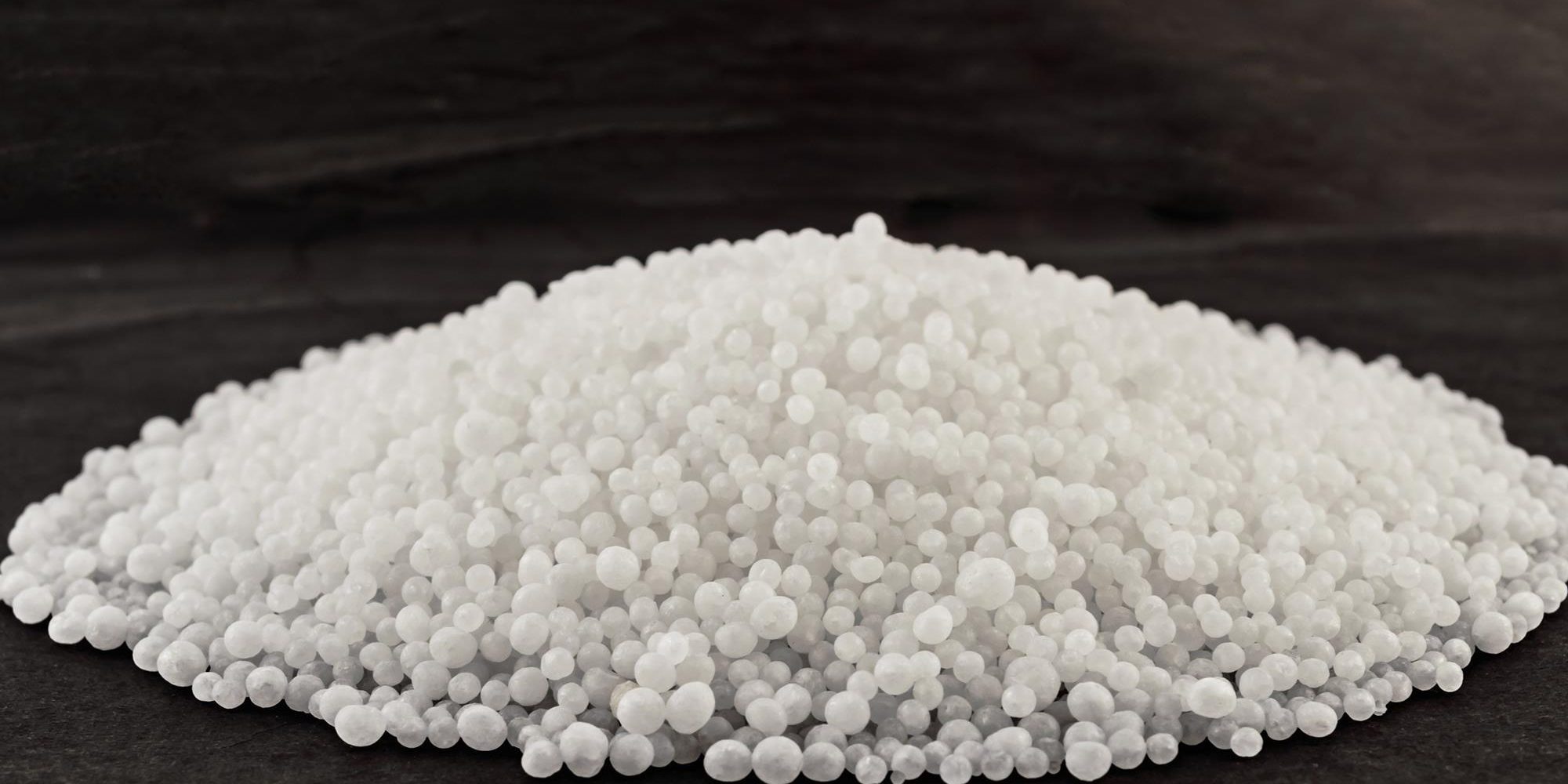
Urea
Urea, with the chemical formula CO(NH₂)₂, is a widely produced nitrogen compound composed of carbon, nitrogen, oxygen, and hydrogen. It is one of the most commonly used nitrogen fertilizers worldwide, valued for its effectiveness in supporting crop growth. Urea is synthesized on an industrial scale through a chemical reaction involving ammonia and carbon dioxide under high pressure and temperature. This process results in a highly concentrated source of nitrogen, which is critical for various biological and industrial applications.
Agricultural Use of Urea
In agriculture, urea is primarily utilized as a nitrogen fertilizer due to its high nitrogen content, typically around 46%. Nitrogen is an essential nutrient for plants, playing a crucial role in photosynthesis, protein synthesis, and general plant metabolism. By providing nitrogen to the soil, urea promotes healthy plant growth, improves crop yields, and enhances the overall fertility of the soil. This makes it a vital input for global food production systems, especially in intensive farming environments where soil depletion is common.
The solubility of urea in water further increases its utility in farming. It can be easily applied to crops through irrigation systems or as a foliar spray, delivering nutrients directly to plants in a form they can quickly absorb. This flexibility makes urea a favored fertilizer among farmers, especially in regions with diverse agricultural practices. Additionally, urea is relatively inexpensive compared to other nitrogen fertilizers, further contributing to its widespread adoption in the agricultural sector.
Industrial Applications of Urea
Beyond agriculture, urea has numerous industrial applications. In the chemical industry, urea serves as a key raw material in the production of plastics, resins, and adhesives. One of the most common products derived from urea is urea-formaldehyde resin, a compound extensively used in the production of particleboard, MDF, and other building materials. Urea also plays a role in the manufacture of melamine, which is used to produce durable plastic products, including kitchenware and laminates.
Urea is also important in the livestock industry, where it is used as a feed supplement for ruminant animals. Its high nitrogen content makes it an effective protein source for animals like cattle and sheep, which can convert non-protein nitrogen in urea into usable protein through their digestive systems. This application helps improve animal growth rates and productivity, making urea an essential component of modern livestock management.
Additionally, urea has found applications in the cosmetics industry. It is used in certain skincare products as a humectant, which helps the skin retain moisture, making it a valuable ingredient in lotions and creams designed to treat dry skin conditions.
Environmental Considerations
While urea is an effective and versatile compound, its widespread use in agriculture and industry can have environmental impacts. When not applied correctly, urea can contribute to nitrogen runoff, leading to water pollution and the contamination of groundwater sources. Excess nitrogen from fertilizers can also contribute to the eutrophication of lakes and rivers, which can harm aquatic ecosystems by promoting excessive algae growth.
To address these concerns, efforts are being made to improve the efficiency of urea application. This includes using slow-release formulations of urea that reduce nitrogen losses, as well as adopting precision farming techniques that ensure urea is applied at the right time and in the right quantities. These innovations aim to maximize the benefits of urea while minimizing its environmental footprint.